What happened?
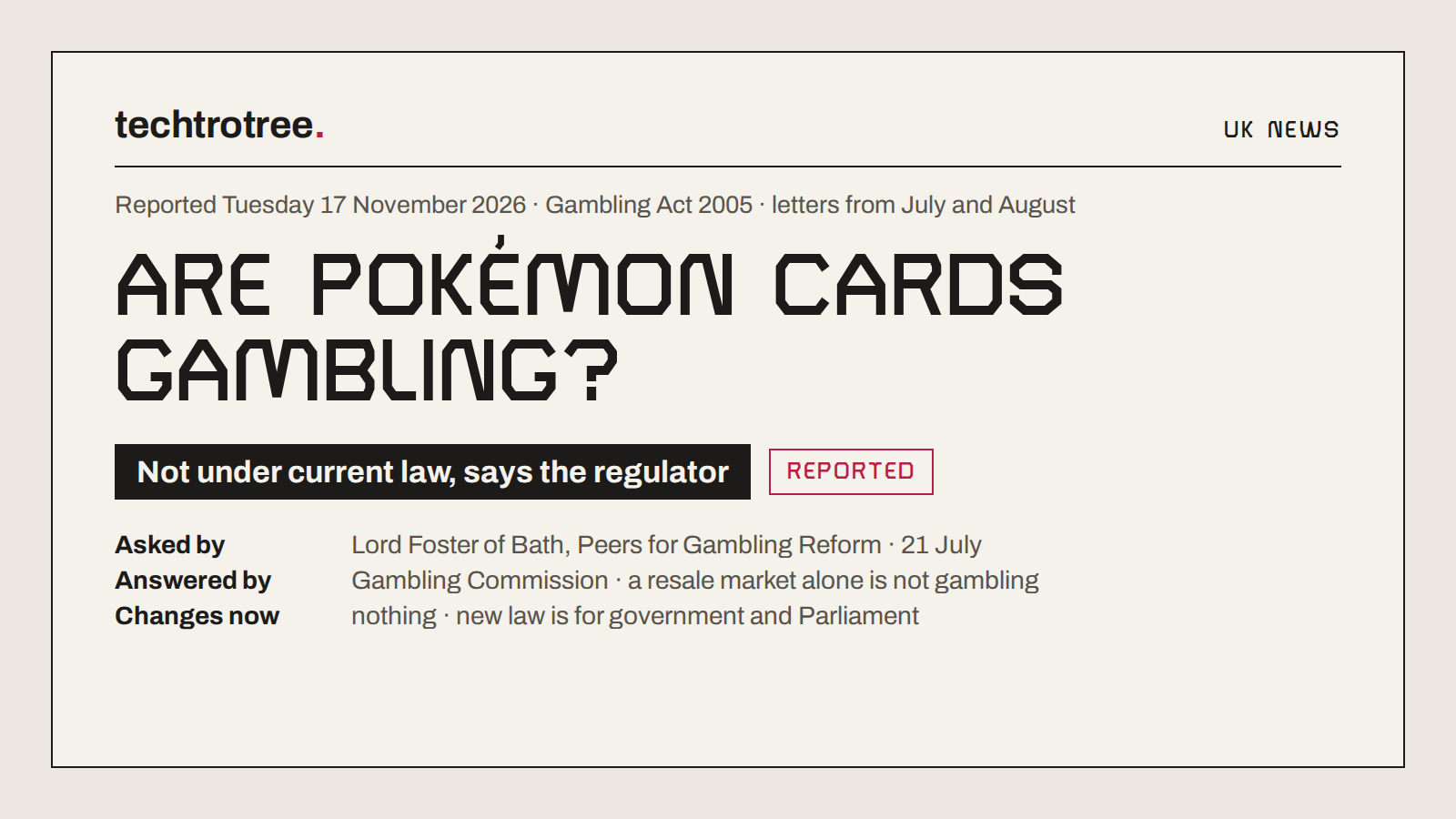
On 17 November 2026 Kanto Post published extracts of two letters it had seen, supplied by Lord Foster. They have not been published anywhere official, so this table labels where each fact comes from.
| Question | Answer | Status |
|---|---|---|
| Who asked | Lord Foster of Bath, chair of Peers for Gambling Reform, in a letter dated 21 July 2026 | Reported (Kanto Post) |
| Who answered | Sarah Gardner, the Gambling Commission's acting chief executive, in a letter dated 11 August 2026 | Reported (Kanto Post); her title is official |
| Is buying Pokémon packs gambling? | Not because the cards can be resold, the Commission says | Reported |
| Is the Commission acting on trading cards? | No, not currently | Reported |
| Has the law changed? | No. Section 6 of the Gambling Act 2005 has not been amended since it came into force | Official |
| Any government plan to change it? | None | Not announced |
Asked by Kanto Post for a statement, the Commission said it was still making enquiries and gave none before the story ran.
Just added: singles in stock
All singles
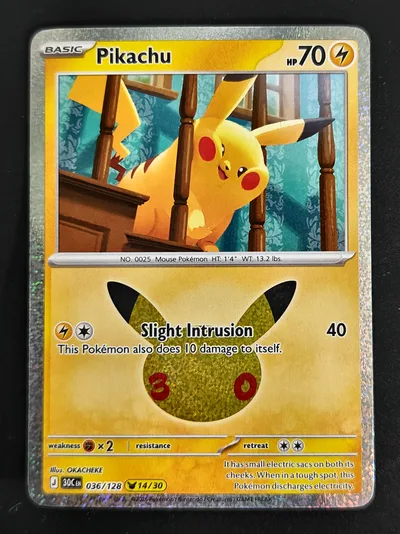
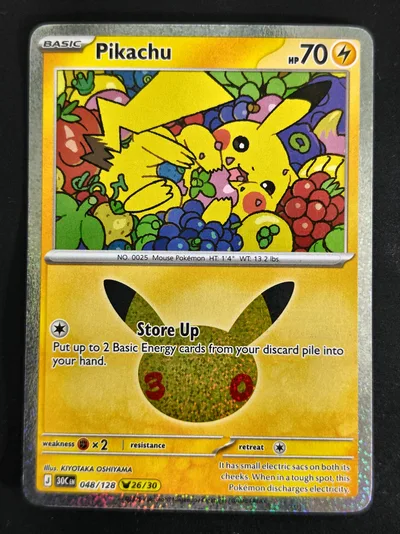
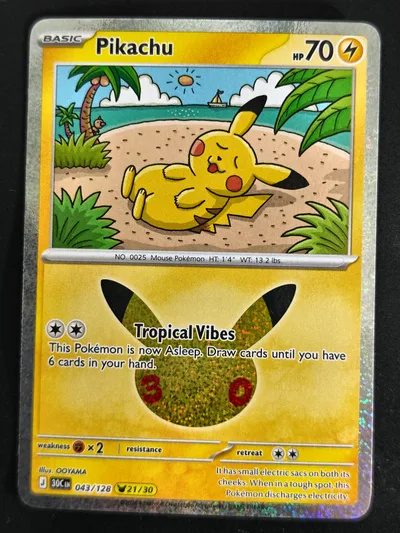
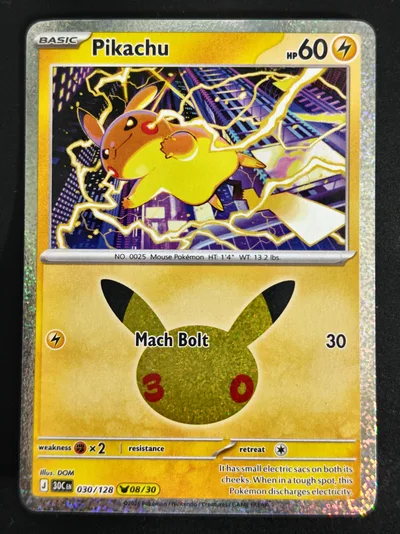
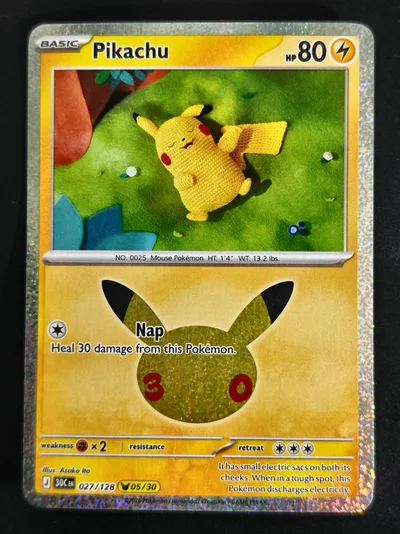
Every card is photographed front and back as sold: the card in the photo is the card you get.
One postage charge per order: £1.35 2nd Class, or £2.94 Tracked 48 for cards from £10. Orders from £20 go tracked. Great Britain and the Isle of Man only.
What does UK gambling law say?
Section 6 of the Gambling Act 2005 defines gaming as playing a game of chance for a prize, and for gaming a prize means money or money's worth. That is why Lord Foster's question is about money's worth, not about chance: nobody disputes that you do not know what you will pull from a pack.
The same section, at 6(6), lets the Secretary of State say by regulations that a given activity is, or is not, a game of chance. That power is how a product could be brought in without a new Act of Parliament.
What did Lord Foster argue?
Lord Foster is a Liberal Democrat peer and former MP for Bath, and has chaired the cross-party group Peers for Gambling Reform since 2020. As Kanto Post reports it, his letter made three points:
- Cards have a cash value. Pulls are bought and sold through card shops, online marketplaces and some retailers, which he called entirely lawful channels, so he asked on what legal basis the Commission says they are not money's worth.
- It looks like the loot box problem. He compared it with in-game skins that players sell for cash on other websites.
- The buyers are young. Trading card games are marketed heavily to children, though he accepted that most people collect for the fun of it.
He told Kanto Post that Pokémon cards are a good test case because cash trading so clearly takes place. He also pointed to the 2020 House of Lords report on gambling, Gambling Harm: Time for Action, which he worked on and which, he says, specifically recommended changing the definition of gambling.
What did the Gambling Commission say?
The reply came from Sarah Gardner, who is named on the Commission's own site as its acting chief executive. As Kanto Post reports it, she said:
- A market for reselling cards later does not, on its own, make the original sale gambling.
- Parliament did not mean the Act to cover trading cards or football stickers just because buying them involves chance.
- The Commission could look at a product where "overtly gambling-like features" are added to what would otherwise be a shopping platform. It named no product or site.
- It is not currently acting on buying or trading collectable cards or stickers, and will not move resources to work outside its remit.
- Its duty to protect children works within the Act's definitions. Changing those definitions is a matter for government and Parliament.
Has this come up before? Loot boxes
The closest test is loot boxes in video games. In July 2022 the government answered its call for evidence and decided not to change the Gambling Act to cover them. It asked the games industry for its own protections instead: no loot box purchases by under-18s without a parent's say-so, spending controls and clearer information.
Its reasoning matters here. It said most loot boxes fall outside gambling law because what you win cannot be cashed out. Where a prize can readily be swapped for cash, though, it said that prize can count as money or money's worth, and that the Commission can act where trading items amounts to unlicensed gambling. That is the argument Lord Foster is now making about cards. The Commission's answer is that a resale market does not, on its own, make the sale of a pack gambling, and that Parliament did not mean the Act to cover trading cards just because buying them involves chance.
What does it mean for UK collectors?
Nothing changes today. Packs, boxes and singles are sold exactly as before, and the regulator's reply says it is not currently acting on them. Bringing cards into gambling law would need the government to use its section 6(6) power or Parliament to change the law, and neither has been announced. After loot boxes, where the government chose industry rules over new law, a quick change looks unlikely. That is our reading, not an announcement.
The part of the reply to watch is the line about shopping platforms with "overtly gambling-like features". The Commission did not say what it has in mind. We read it as being about how a site sells, not about the cards themselves.
We sell sealed product and singles, so we have an interest in this story; we have kept to what was said and what the law reads. Whatever the law says, it pays to know which way you are buying:
- A pack is a chance. You pay a fixed price and get random cards. Our guide to product types explains what is in each.
- A single is certain. If you want one card, a single lets you choose it rather than chase it in packs: see singles or packs and how to buy singles safely.
- Set a budget before you open anything, as our starter guide suggests, and stick to it.
Get e-mails about new stock and UK release dates
A few e-mails a month at most.
Questions people ask
Are Pokémon cards gambling in the UK?
No. The Gambling Commission says buying Pokémon cards is not gambling just because they can be resold, and that Parliament did not mean the Gambling Act to cover trading cards or football stickers.
Is the Gambling Commission investigating Pokémon cards?
No. Its reply to Lord Foster, reported by Kanto Post, says it is not currently acting on buying or trading collectable cards.
Who is Lord Foster of Bath?
A Liberal Democrat member of the House of Lords and former MP for Bath, who chairs the cross-party group Peers for Gambling Reform.
What does money's worth mean in the Gambling Act?
For gaming, the Act says a prize means money or money's worth. Whether a card you pull counts as money's worth is the question Lord Foster asked.
Could Pokémon packs be classed as gambling in future?
Only if the government used its power under section 6(6) of the Gambling Act or Parliament changed the law; the Commission says changing the definitions is for them, not for the Commission. Nothing has been announced. Separately, the Commission says it could look at a shopping site that adds overtly gambling-like features.
Are loot boxes gambling in the UK?
Mostly not, under current law. In July 2022 the government decided not to bring loot boxes into the Gambling Act and asked the games industry to add its own protections instead.
Does this change how I can buy Pokémon cards?
No. Packs, boxes and single cards are sold just as before.
Every card photographed as sold
Each single is photographed front and back, with its condition stated, and posted from the UK. The card in the photo is the card you get.
Sources
- Kanto Post: Lord Foster challenges UK gambling regulator over Pokémon cards (17 November 2026), with extracts from both letters, read 17 November 2026
- legislation.gov.uk: Gambling Act 2005, section 6 (gaming, game of chance, prize, and the 6(6) power), read 17 November 2026
- GOV.UK (DCMS): Government response to the call for evidence on loot boxes in video games (July 2022), read 17 November 2026
- Gambling Commission: CEO Briefing 2026, speech by Acting Chief Executive Sarah Gardner (6 November 2026), read 17 November 2026
- GamCare: National Gambling Helpline, talk to us now, read 17 November 2026
Last updated 17 November 2026.