Is it safe to buy Pokémon cards online in the UK?
Yes, if you buy from a seller you can identify, through a platform or payment method that protects you. Most scams fall apart once you insist on photos of the actual item, pay by card or a protected checkout, and refuse to move the conversation or the payment somewhere else. The risk is highest in private sales and on unfamiliar websites.
Pokémon cards attract scammers for simple reasons: small items, high prices for the right card, and buyers who are excited and in a hurry. Citizens Advice lists the same warning signs for any purchase: a deal that seems too good to be true, pressure to pay straight away, unusual payment methods and a seller with no real address.
What are the most common Pokémon card scams?
The common scams are counterfeit cards, fake or tampered graded slabs, resealed or weighed booster packs, requests to pay by bank transfer or PayPal Friends and Family, fake shop websites and copycat emails or texts. Each has a simple defence, set out below.
| Scam | How it works | How to protect yourself |
|---|---|---|
| Counterfeit cards | Fakes sold loose, in "all rares" lots or with stock photos | Ask for photos of the actual card; check the edge, back and text when it arrives. See our fake card guide |
| Fake or tampered slabs | A counterfeit label using a real cert number, or a genuine case opened and a different card put inside | Match the cert record and images to the slab; check the case for tampering. See is my graded card real? |
| Resealed packs and boxes | Packs or boxes opened, the hits removed, then closed again | Check crimps and shrink wrap; buy sealed product from established retailers |
| Weighed packs | Heavier packs are picked out and the rest sold on | Prefer sealed boxes or packs from a known retailer over loose packs from strangers |
| Friends and Family or bank transfer | The seller asks for a payment that has no buyer protection, then disappears | Refuse. Pay by card, PayPal Goods and Services or the platform checkout |
| Off-platform deals | A seller offers a discount to pay outside eBay or another marketplace | Stay on the platform; eBay does not allow offers to buy or sell outside eBay |
| Fake shop websites | A professional-looking site with low prices that never delivers | Check the company, address, terms and independent reviews before paying |
| Phishing emails and texts | Messages copying eBay, PayPal or a courier to steal your login or card details | Go to the site yourself rather than following a link; report the message |
Just added: singles in stock
All singles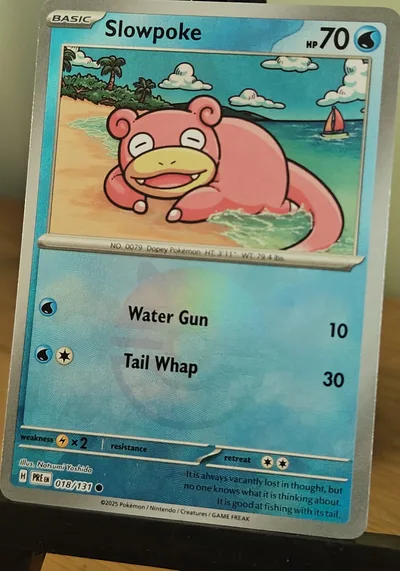
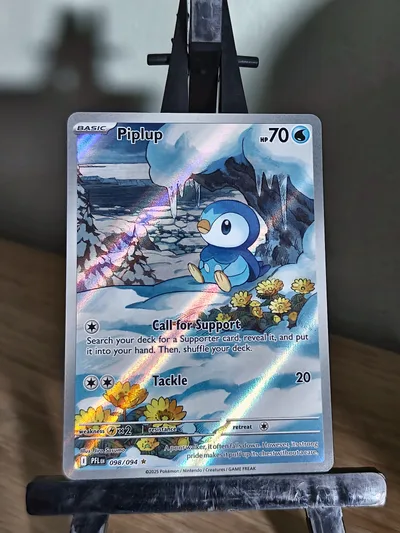
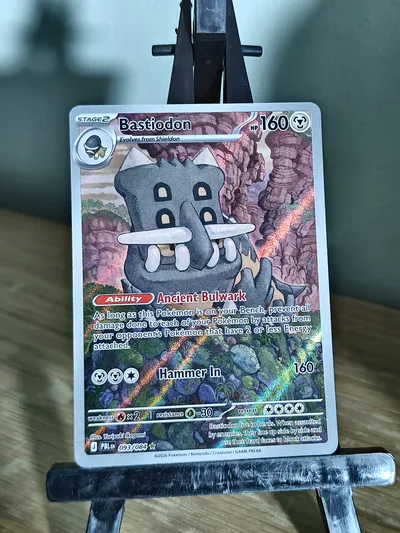
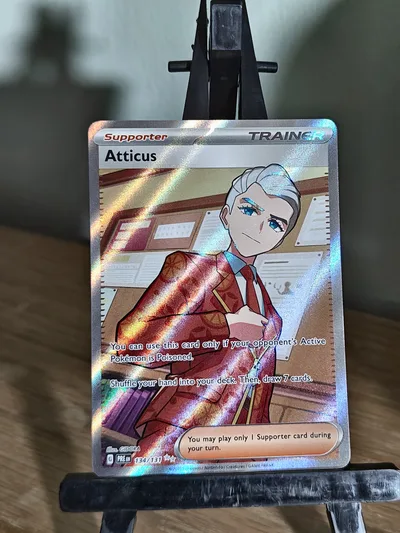
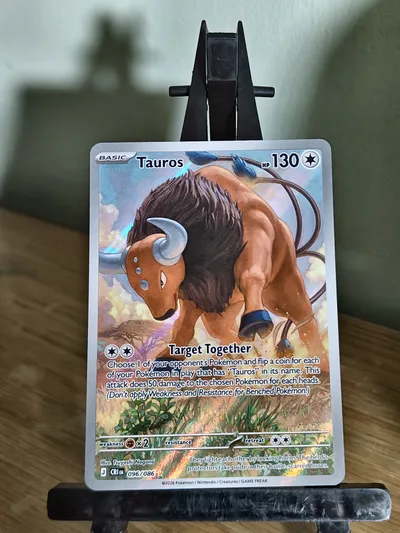
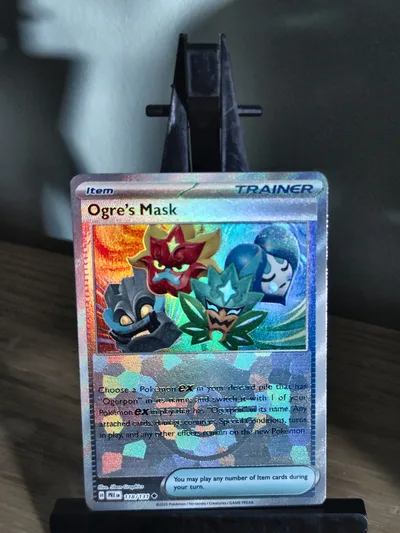
Every card is photographed front and back as sold: the card in the photo is the card you get.
How do you check a shop or seller is genuine?
Look for a real business behind the website: a registered company or named trader, a street address, terms and conditions and a returns policy, plus reviews on independent sites. A padlock in the address bar only means the connection is encrypted; it says nothing about whether the shop is real.
- 1.
Search the company
If the site names a limited company, search for it on Companies House through GOV.UK. Some company details are free, including the registered address, officers and filing documents. Check the name, number and address match the website.
- 2.
Check the address
Citizens Advice says the company should have a street address, not just a PO box.
- 3.
Read the terms
Find the terms and conditions, delivery and returns pages before you buy. A UK shop selling online should explain your right to cancel.
- 4.
Read independent reviews
Look at reviews on several independent websites, not only the ones the company shows on its own site.
- 5.
Type the address yourself
Reach the shop by typing its web address or searching for it, not through a link in an unexpected email, text or advert.
- 6.
Be suspicious of pressure
Countdown timers on a "last chance" deal and sellers who insist you pay now are classic pressure tactics. Genuine businesses, Citizens Advice says, "shouldn't put pressure on you to pay straight away".
Which payment methods protect you from scams?
Credit cards give the strongest legal protection, followed by debit card chargeback and PayPal Goods and Services. Bank transfers and PayPal Friends and Family give you little or no buyer protection, which is exactly why scammers ask for them. If a seller will only accept an unprotected payment, walk away.
- Credit card: a section 75 claim covers a single item costing more than £100 and no more than £30,000, according to Citizens Advice. It usually does not apply if you paid through a third party such as a marketplace or PayPal.
- Debit card: chargeback. Your card provider might not agree to it, and the seller can challenge it.
- PayPal Goods and Services: covered by PayPal Buyer Protection. Citizens Advice says you have 180 days from paying to open a dispute.
- PayPal Friends and Family: PayPal says to refuse if a seller asks for it, because "your payment won't be covered by our Buyer Protection".
- Bank transfer: treat it as cash. When you pay a new payee, check your bank's name-match result; if it does not match, Citizens Advice says not to pay until you have checked the details.
How do you spot resealed or weighed Pokémon packs?
Check the crimps at the top and bottom of a booster pack: they should be even and neat along their full width. Look for loose, bunched or messy shrink wrap on boxes. Be wary of loose packs from strangers, because a seller can weigh packs and keep the heavy ones, and you cannot tell by looking.
- Booster packs: wavy, flattened or glued crimps, tears near the seal and loose, crinkled foil are warning signs. Compare with a pack you know is untouched.
- Boxes and Elite Trainer Boxes: compare the wrap with photos of the same product from an established retailer. Extra seams, loose wrap or crushed corners under the wrap deserve a closer look.
- Weighed packs: a weighing guide sold to collectors says a heavier pack only raises the odds of a holo and that weight "never tells you which card". It also cannot detect non-holo chase cards. A "heavy pack" listing is a reason for caution, not confidence.
Our product types guide explains what each sealed product should contain Our own sealed range is listed on the shop.
How do fake graded slab scams work?
There are two main kinds: a counterfeit case and label, often printed with a real certificate number copied from a genuine card, and a genuine case that has been opened and resealed with a different card inside. A matching cert number on its own proves neither way, so you have to compare the grader's record and images with the slab in front of you.
PSA itself warns that forgers try to counterfeit its labels using real certificate numbers taken from public sources. Our guide is my graded Pokémon card real? shows how to look up a cert with each grader and what tampering looks like. On eBay UK, eligible cards at £250 or more (excluding postage) can go through the Authenticity Guarantee, where PSA checks raw cards and graded holders before they reach you. Our own slabs are on our graded page.
What should you do if you have been scammed?
Act quickly. Contact your bank or card provider first, using a number you trust or by calling 159, then open a dispute with the platform or payment service, and report the fraud. Keep every message, listing screenshot, payment record and photo, because each route asks for evidence.
- 1.
Tell your bank or card provider
The government's Stop! Think Fraud campaign says to tell your bank or payment provider as soon as possible, using a known number such as the one on your card, or by calling 159.
- 2.
Use the platform's protection
On eBay, report a problem through the eBay Money Back Guarantee within 30 days of the estimated or actual delivery date. On PayPal, open a dispute within 180 days of paying.
- 3.
Report the fraud
Outside Scotland, report to Report Fraud at reportfraud.police.uk or on 0300 123 2040. It replaced Action Fraud on 4 December 2025, and the phone number did not change. In Scotland, report fraud to Police Scotland on 101.
- 4.
Report scam messages
Forward scam texts free to 7726 and scam emails to [email protected].
- 5.
Get consumer advice
For a problem with a business, the Citizens Advice consumer helpline is on 0808 223 1133. Citizens Advice can pass complaints to Trading Standards.
How we try to make buying from us easy to check
You should be able to check us in the same way as anyone else. Our about page and terms say who we are, our returns page explains your 14-day right to cancel, and our delivery page sets out the Royal Mail services we use, with tracking on cards from £10 and orders of £20 or more.
Every card in our singles range is photographed as sold, so the card in the photos is the card you get, and payment is taken by Stripe on its secure checkout page. We also sell on eBay as techtrotree. If anything about an order looks wrong, contact us before you do anything else. For the wider picture on where and how to buy, see how to buy Pokémon singles in the UK safely.
Questions people ask
How do I know if a Pokémon card website is a scam?
Check for a registered company on Companies House, a street address rather than a PO box, terms and a returns policy, and reviews on independent sites. A padlock in the address bar does not prove a shop is genuine. Prices far below everyone else and pressure to pay now are warning signs.
Is it safe to pay for Pokémon cards with PayPal Friends and Family?
No. PayPal says Friends and Family payments are not covered by its Buyer Protection and advises refusing if a seller asks for one. Use Goods and Services, a card or the platform checkout.
Where do I report a Pokémon card scam in the UK?
Tell your bank first. Then report to Report Fraud (reportfraud.police.uk or 0300 123 2040), which replaced Action Fraud in December 2025, or to Police Scotland on 101 if you are in Scotland. Also open a dispute with eBay, PayPal or your card provider.
Can I get my money back after a bank transfer scam?
Possibly. Contact your bank straight away. The Payment Systems Regulator says payments between UK accounts by Faster Payments or CHAPS are covered by reimbursement rules for authorised push payment scams, with most victims repaid within five business days, but exceptions apply.
How can I tell if a Pokémon pack has been resealed?
Look at the crimps at the top and bottom. They should be even and neat across the full width. Wavy, flattened or glued crimps and loose, crinkled foil are warning signs. For boxes, compare the shrink wrap with an untouched example.
Every card photographed as sold
Each single is photographed front and back, with its condition stated, and posted from the UK. The card in the photo is the card you get.
Sources
- Citizens Advice — Check if something might be a scam, read 16 October 2026
- Citizens Advice — Getting your money back if you paid by card or PayPal, read 16 October 2026
- Citizens Advice — Letter to cancel or return goods bought online (consumer helpline number), read 16 October 2026
- GOV.UK — Get information about a company, read 16 October 2026
- GOV.UK — Report Fraud: new service from City of London Police, read 16 October 2026
- Stop! Think Fraud (GOV.UK campaign) — Reporting fraud, read 16 October 2026
- Payment Systems Regulator — APP scams, read 16 October 2026
- PayPal UK — What are Friends and Family payment scams?, read 16 October 2026
- PayPal UK — Does PayPal cover my purchase if there's a problem?, read 16 October 2026
- eBay UK — eBay Money Back Guarantee policy, read 16 October 2026
- eBay UK — Offers to buy or sell outside of eBay policy, read 16 October 2026
- eBay UK — Authenticity Guarantee for trading cards, read 16 October 2026
- PSA — Certification Verification (warning on copied cert numbers; via search result), read 16 October 2026
- Loose Packs — Pokémon pack weight guide, read 16 October 2026
Last updated 17 October 2026.